
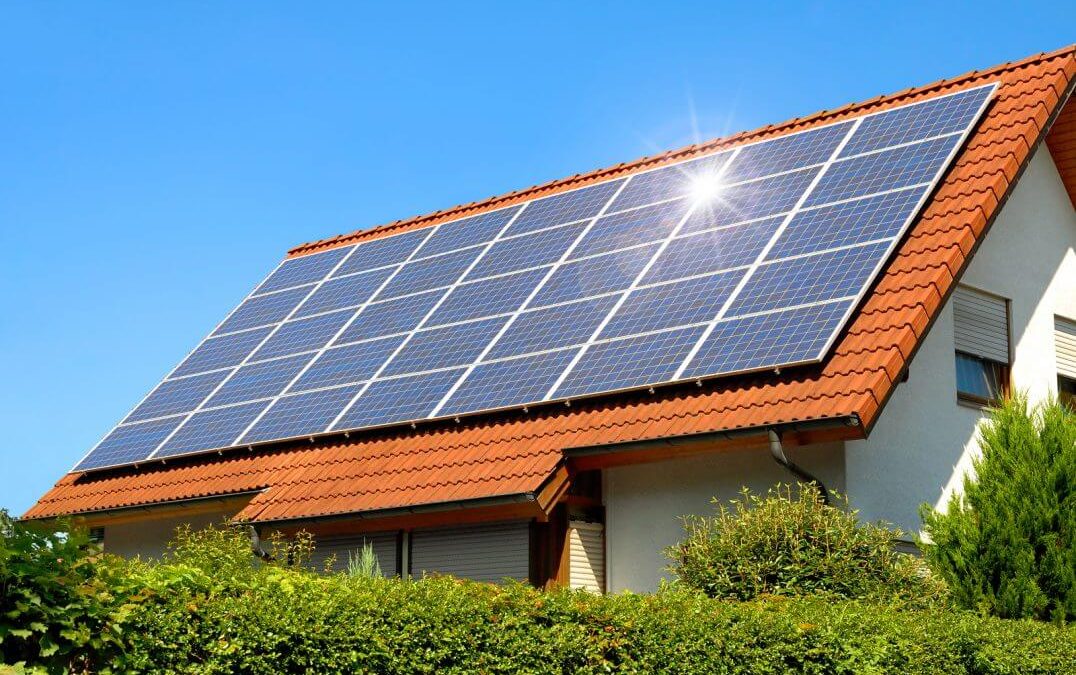
If you live in Cape Town, you’ve had “the conversation” at least once this year. Maybe it was over dinner, maybe it was in a WhatsApp family group, maybe it was just you, sitting in the dark for the third time that week, muttering to yourself. The conversation goes: should we just get solar backup power in Cape Town already? Short answer: for most homes here, yes, it’s worth it. Long answer: it depends on what you actually need, and that’s the part most people get wrong before they’ve even picked up the phone to call an installer.
Everyone jumps straight to “I’m sick of the power going out.” Fair enough. But talk to any electrician who’s been doing installs in the Southern Suburbs or the Northern Suburbs for a while, and they’ll tell you the reasons people actually commit to solar backup are usually a mix of things — and knowing which ones apply to you makes the “what should I install” question a lot easier to answer.
Why Cape Town Homeowners Are Finally Making the Switch
Load-shedding fatigue is real, but it’s rarely the only reason. Working from home and losing hours of productivity every time the grid drops. Fridges and freezers full of food that spoils during long outages. Security systems, gate motors and alarms that need to stay powered no matter what. Aging inverters or generators that are noisy, smelly, or just unreliable. And, increasingly, homeowners who just want to stop watching their electricity bill climb every single year.
Once you know why you want backup power, the “what should I install” question gets a lot easier to answer.
Inverter, Battery, or Full Solar? They’re Not the Same Thing
This is where a lot of confusion happens, and honestly, some of it comes from sales pitches that blur the lines on purpose. Here’s how the three main options actually differ.
Keeps your lights, WiFi, TV and a few plug points running during an outage. It’s the cheapest entry point and it solves the “I just don’t want to sit in the dark” problem. It won’t run your oven or your geyser, though.
Does everything the basic setup does, but it also charges itself from the sun during the day instead of relying purely on the grid. Over time, this is the version that actually starts saving you money, not just saving your sanity.
Built to carry your home through extended outages and can meaningfully reduce your monthly bill, especially if you’re running pool pumps, geysers or aircon during the day. Costs more upfront, but tends to pay for itself faster than people expect.
What Can a Basic Backup System Actually Power?
There’s no universally “right” answer here — a young couple in a two-bedroom flat in Sea Point has completely different needs from a family running a home office and two kids’ worth of devices in Durbanville. But a standard entry-level inverter and battery setup will comfortably keep the essentials running through an outage.
Your Electricity Bill Isn’t Going to Get Cheaper on Its Own
Load-shedding gets all the headlines, but the quieter problem is what’s happening to the price of electricity itself, whether the lights are on or not. Eskom pushed through an 8.76% tariff hike for direct customers from April 2026, and Cape Town’s municipal customers followed with their own increase of roughly 8.55% from July 2026, on the back of NERSA’s approved bulk adjustment. Another Eskom increase is already pencilled in for the following year too.
The honest answer: your bill goes up whether you have an outage or not.
Inpower’s write-up on the Cape Town tariff changes lays this out well and makes the case that solar has shifted from a “nice to have” to something closer to a financial hedge — a way of insulating your household from a cost that keeps climbing regardless of how careful you are with usage. Run the numbers for your own home and it usually comes down to this: if you’re on prepaid or paying a municipal bill that’s crept up noticeably over the past year or two, a hybrid solar setup that offsets daytime usage will start clawing back real money within a few years, on top of the peace of mind during outages.
The Part Nobody Warns You About: Your DB Board Matters More Than Your Panels
Here’s the thing installers see all the time — homeowners get quoted for a shiny new inverter and battery, but nobody checks whether the existing distribution board can actually handle it safely. Older Cape Town homes, especially in areas like Observatory, Woodstock, or parts of the Southern Suburbs, often still have outdated wiring or boards that were never designed for this kind of load.
Skipping that check isn’t a small oversight. A mismatched or overloaded DB board is a fire risk, and it can also void your installation’s compliance certificate — which matters a lot if you’re planning to sell the house down the line. Any solar or backup installation needs to end with a valid Certificate of Compliance (COC), and that only happens when a certified electrician actually assesses the wiring properly, not just bolts on new equipment and leaves.
Questions Worth Asking Before You Sign Anything
Before committing to a quote, it’s worth asking your installer the following. If they can’t answer clearly, that’s a signal to keep looking.
- Is the installer a registered, certified electrician — not just a solar panel salesperson?
- Will they issue a Certificate of Compliance (COC) once the work is done?
- Have they actually inspected your DB board and existing wiring?
- What size battery and inverter do you need for your specific appliances, not a generic package?
- What happens if something fails after hours — is there real emergency support, or just a call centre?
Why Clients Choose C&A Electrical
Solar backup isn’t just a product you buy, it’s an electrical installation, and it deserves the same care as any rewiring or DB board upgrade. C&A Electrical has been doing exactly that across Cape Town since 2018 — certified, insured, and registered with the Electrical Contractors’ Board, with solar installations, generator and inverter setups, and full compliance certification all handled by the same team, from Bellville to the Atlantic Seaboard and everywhere in between.
Whether you need a compact backup system to keep the essentials running or a full solar installation to protect your home and your wallet, we help you make the transition properly. No pressure, no upselling — just a straight conversation about what makes sense for your property.
Ready to Stop Relying on Eskom?
Get in touch with C&A Electrical for a free, no-obligation quote, or call 073 415 6219 — worth doing once, and doing right.
Request a Free Quote